
Evacuation Alert System - Reliable Safety for Any Building

An evacuation alert system should keep delivering clear instructions during an emergency, even when something in the speaker network fails. In many buildings, a single cable fault or one defective loudspeaker can reduce coverage and impact audibility.


VAES is a reliability upgrade for voice alarm evacuation systems. It combines a loop monitor with speaker isolators to create a supervised closed-loop loudspeaker circuit. If a fault occurs, the affected section is isolated and the remaining loudspeakers can continue operating through the other side of the loop.

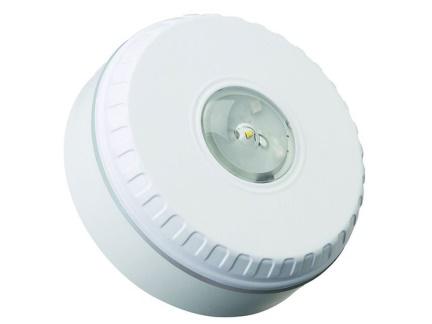
evacuation alert system

Why every modern building needs an evacuation alert system

Modern buildings are busy, complex, and often filled with visitors who do not know the layout. In an emergency, people need clear instructions, not just a warning tone. An evacuation alert system helps you guide occupants faster and more safely, especially when you manage multiple zones or phased evacuation.


Key advantages:


  • Clear voice instructions that reduce confusion and improve response time

  • Targeted zone messaging for phased evacuation and better crowd control

  • Better support for visitors and mixed-language audiences with well-designed messages

  • Higher operational continuity when designed with supervised speaker loops and fault isolation

  • Improved incident management through faster fault detection and clearer system status


evacuation alert system

Key Components in a Resilient Evacuation Alert System

A fault-tolerant evacuation alert approach relies on two building blocks: active monitoring and targeted isolation.


Loop monitor (what it does)


A loop monitor connects to the output circuit of a voice evacuation system and supervises the 100V loudspeaker loop. Its purpose is to keep the wiring under continuous observation and support reliable operation of the loop.


Speaker isolators (what they do)


A speaker isolator is a protective device installed at each loudspeaker point. It acts like an automatic switch that responds to faults by isolating the affected section, stopping the issue from disabling the entire line, and allowing the rest of the loudspeakers to continue operating via the other side of the loop.


why vaes

Why VAES?

VAES is designed for one core purpose: keeping a 100V loudspeaker loop operational when faults occur, while making the system practical to apply across many brands and project types.


  • Prevents “single fault = silence” by isolating the defective section so the rest of the loop keeps operating.

  • Works across brands and fits mixed installations, retrofits, and projects that require long-term freedom of choice.

  • Proven reliability at scale with over 100,000+ isolators produced and very low reported failure rates, with long-running installations still in service.

  • Trusted worldwide with deployments across Europe, the Middle East, and Asia.


why vaes

Typical use cases

VAES supports building owners, consultants, and integrators who want reliability without unnecessary restrictions.


Office buildings and mixed-use sites


Maintaining intelligible voice messages across multiple zones – even when a segment faults – supports safer, more controlled evacuation.


Industrial environments


Long cable runs and harsh conditions increase risk of cable faults. A supervised loop design adds resilience.


International projects and multi-vendor sites


If your project involves different voice alarm brands or phased upgrades, VAES helps add redundancy without forcing a single closed ecosystem approach.


Certified products

In life-safety applications, documented compliance matters just as much as performance. VAES products are developed and tested under the applicable CE framework used in the Fire & Security sector, with EN 54 as the leading reference standard in this market (for isolators, EN 54-17 is specifically relevant). The CE process includes extensive testing and ongoing independent audits to ensure quality remains consistent over time.


Private label or OEM certification


If you’re integrating VAES into your own offering, TMCDAS can also support private label or OEM certification. This can include issuing an additional CE certificate based on existing test reports, managing the application process, and supplying branded CE labels (including label stock management and product labeling per order).


evc system
evc system

About VAES

VAES was developed by TMCDAS in the Netherlands, a company that has worked in voice evacuation and emergency messaging for more than 40 years. TMCDAS has been building fire-safety communication solutions since the early days of spoken-word evacuation in the 1980s. The first VAES isolator (IS8200-1) was released in 2008 and quickly found its way into a wide range of installations as a dependable, practical standard.


Since then, VAES has expanded well beyond its original market. With over 130,000 units deployed, the platform has earned trust through long-term performance in the field. What sets VAES apart is its open approach: the loop monitors and isolators are designed to work with any 100V voice alarm setup, which makes them a strong match for retrofit projects, mixed-brand environments, and international rollouts across multiple regions.


Talk to an Engineer

Want to know if VAES fits your building or project?


  • Request a demo set (loop monitor + isolators)

  • Ask for a speaker loop review

  • Get technical documentation and a specification template


Product certifications

FAQ - Voice Evacuation System

What is an Emergency Voice Communication System?

An Emergency Voice Communication System (EVC system) is a safety solution that broadcasts spoken evacuation messages during emergencies. Unlike alarm tones, it provides clear instructions that help people act quickly and calmly.

A fire alarm signals danger but does not explain what to do. An emergency voice alarm communication system gives step-by-step spoken guidance, which reduces panic and speeds up evacuation.

They are commonly used in high-risk or high-occupancy buildings such as airports, hospitals, shopping centers, high-rise offices, schools, and industrial facilities. Regulations in many countries require EVC systems for such environments.

Yes. VAES systems use loop monitors and isolators. If one loudspeaker or cable fails, the faulty section is isolated while the rest continues to function. This ensures uninterrupted communication.

Absolutely. Unlike many competitors, VAES components integrate with any 100V voice alarm central, making them flexible and cost-effective for diverse projects.

Yes. All VAES isolators and loop monitors are CE-certified and comply with EN 54 standards, ensuring international reliability, safety, and legal compliance.